
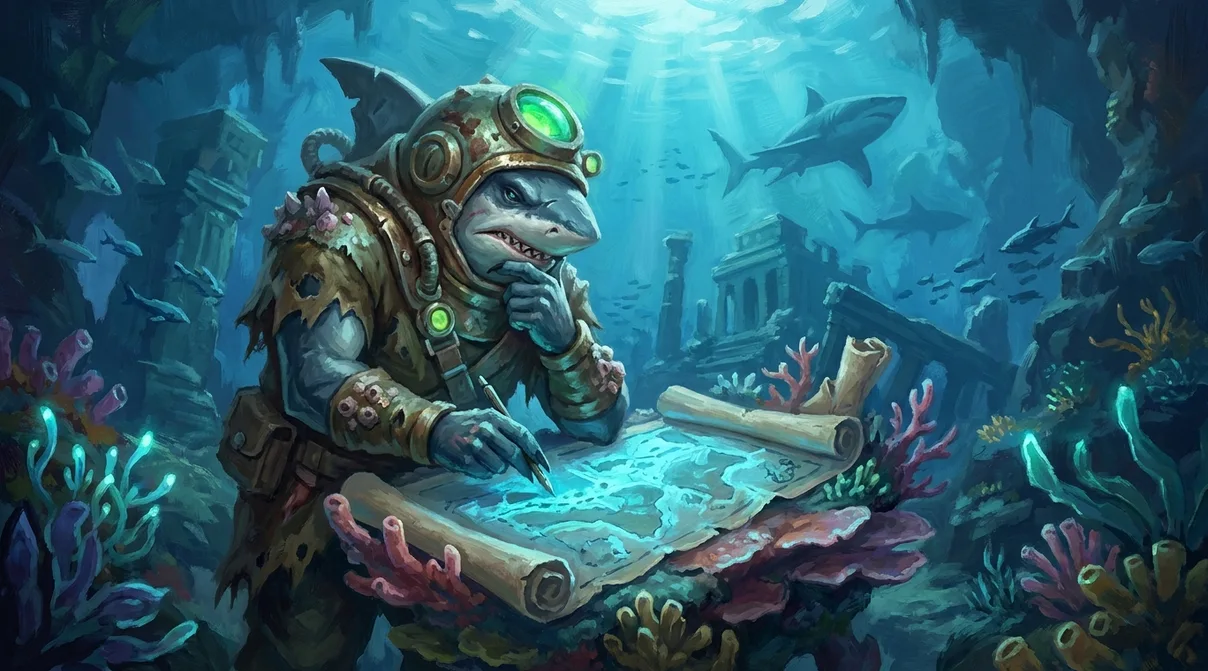
On Razor Returns, bankroll strategy comes down to matching stake size to a high-volatility line game: keep bets small relative to your total budget, expect long stretches without a line win, and decide in advance whether the paid Push Bet enhancement fits your risk tolerance.
- No documented betting pattern changes the underlying RTP
- Session length should account for dry spells between feature hits
- Push Bet raises cost per spin and reportedly shifts the odds toward the top setting
Managing Your Bankroll on Razor Returns
Razor Returns runs on a 5x5 grid with 40 fixed paylines, and wins form the traditional way: three or more matching symbols lined up from the leftmost reel. There is no cascade or tumble mechanic here, so every spin is a clean, isolated event rather than a chain of escalating wins. That structure matters for bankroll planning, because it means variance is driven almost entirely by how often the free-spins trigger lands and how the wild lines up, not by any snowballing in-spin mechanic.
The game is described as high volatility, and the sources are consistent that this translates into long quiet stretches at the base game punctuated by infrequent but potentially large outcomes tied to the free-spins round. A bankroll built for this kind of pacing needs enough depth to survive dozens of unproductive spins without forcing a change in bet size out of frustration. Betting smaller and extending the number of spins available tends to fit the volatility profile better than betting large and hoping for an early hit.
One feature that directly affects bankroll math is Push Bet, a paid session enhancement rather than a separate game mode. Reviews describe it as raising the cost of each spin while improving the odds tied to the higher RTP setting and, by extension, the chance of reaching larger outcomes over time. Because it changes cost per spin without changing the mechanics of the base game, treating it as an optional add-on rather than a default choice keeps the decision transparent: turn it on only if the higher stake per spin still fits comfortably inside your session budget.
The stated betting range runs from a low minimum up to a considerably higher maximum per spin, which gives room to scale a session up or down without switching games. For a high-volatility title like this, starting near the lower end and only increasing stake once you have a clear sense of your total bankroll and how many spins you want that bankroll to cover is a more sustainable approach than picking a stake first and adjusting the plan afterward.
No source describes a betting sequence, stop-loss trigger, or staking system that alters Razor Returns' return to player. RTP is fixed by the operator's chosen configuration and by whether Push Bet is active, not by how a player bets. Any approach that treats bet timing or sequencing as a way to shift the odds is not supported by the documented mechanics of this game.
Key Terms
Wild
Substitutes for standard symbols to help complete line wins on the 40 paylines.
Scatter / Torpedo Symbol
The symbol reported by third-party sources as the trigger for the free-spins round.
Push Bet
An optional paid enhancement to the base session that reportedly raises the odds tied to the higher RTP setting.
Volatility
How unevenly a slot pays out over time; high volatility means longer gaps between wins and bigger potential swings.
RTP
The theoretical percentage of wagered money returned to players over the long term, which varies by operator configuration on this game.
Max Win
The largest possible payout multiplier on a single spin, capped regardless of stake.
Confirmed Features
- Line wins across 40 fixed paylines on a static 5x5 grid
- Wild symbol substitutes for standard symbols to complete lines
- Free-spins round triggered by a scatter/torpedo-style symbol
- Optional Push Bet enhancement that changes stake cost per spin
- Demo mode available for practicing pacing without wagering real money
- Mobile-compatible across common online casino platforms
What High Volatility Means for Your Sessions
High
High volatility on Razor Returns means the base game can go quiet for extended stretches, with return concentrated in the free-spins round rather than spread evenly across spins. Bankroll plans built for this kind of game favour smaller stakes and longer session budgets over trying to force an early result, since the reel structure itself does not smooth out variance the way cascading mechanics can in other titles.
Frequently Asked Questions
Does turning on Push Bet mean I should lower my base stake?
Push Bet adds cost to each spin on top of your chosen bet, so budgeting for it usually means reducing your regular stake or extending your total bankroll rather than stacking the higher cost on top of an unchanged budget.
How many spins should my bankroll cover before I judge whether Razor Returns is working for my budget?
Given the high-volatility profile and the reliance on the free-spins round for larger outcomes, sources suggest planning for enough spins to survive multiple dry stretches rather than judging results after a short session.
Is a bonus buy option confirmed for controlling how quickly I reach the free-spins round?
Bonus buy availability is not documented on the studio's own page for this title, so any bankroll plan should assume the free-spins round is only reachable through normal play unless your specific casino states otherwise.
Does the wild symbol help reduce the impact of the game's volatility?
The wild substitutes for standard symbols to help complete line wins, which can soften individual spins, but it does not change the overall high-volatility pacing driven mainly by how often the free-spins trigger appears.
Try the Demo Before You Set a Budget
Play at partner casinoTest how Razor Returns' pacing feels in demo mode before committing real money to a bankroll plan. Availability varies by province in Canada, so check your local operator, and remember play is 19+ (18+ in AB, MB, QC).